
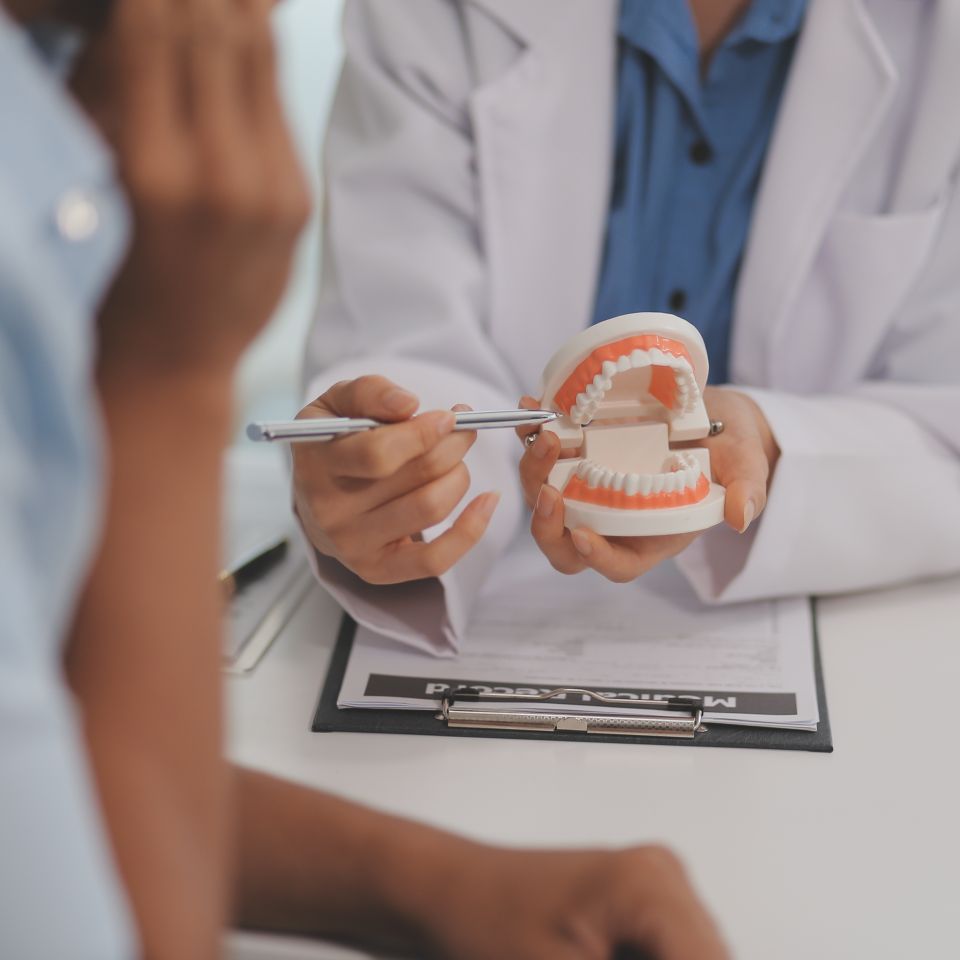
Wisdom teeth are the last set of molars to develop, usually appearing in the late teens or early twenties. Some people never have issues with them, but many do not have enough room for these teeth to come in properly. When that happens, wisdom teeth can become painful, swollen, partially trapped under the gums, or push against nearby teeth. Removal is often the best way to prevent bigger problems later. At Dunwoody Dental Health, we guide patients through the process clearly and calmly, so treatment feels much less intimidating than they expected.
Expert Surgical Care from a Board-Certified Oral Surgeon
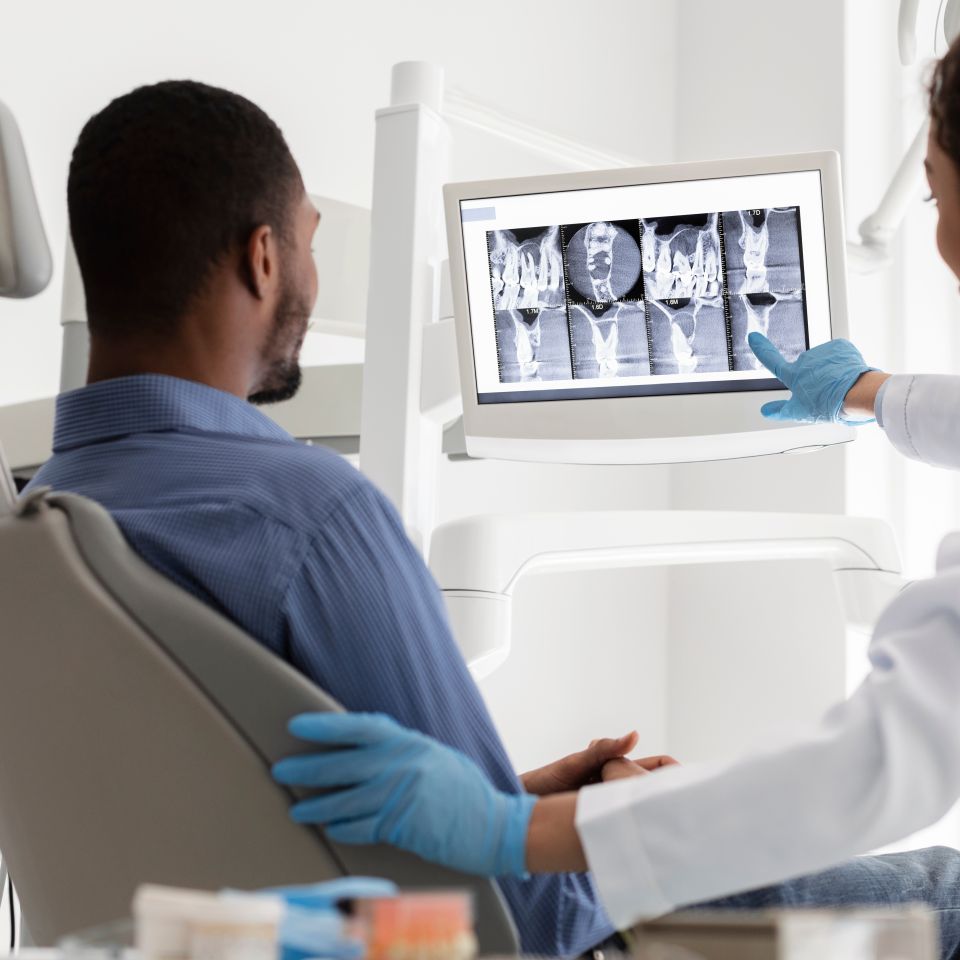
Wisdom tooth removal is a common procedure, but experience still matters. Every mouth is different, and some wisdom teeth are more complex because of their angle, root shape, or position beneath the gums. We begin with detailed imaging and a careful exam to understand the safest approach. From there, we explain your options, timing, and what recovery may look like. Many patients searching for an emergency dentist dunwoody due to swelling or sudden pain discover impacted wisdom teeth are the cause. Prompt evaluation can make a big difference in comfort and treatment planning.

Understanding Wisdom Teeth
Wisdom teeth are considered third molars. They are meant to erupt at the very back of the mouth, but modern jaws often do not have enough space for them. Some grow sideways, some remain stuck under the gums, and others only partially erupt. This can create pressure, crowding, infection, or damage to nearby teeth. Even when there is no pain yet, wisdom teeth may still need monitoring through exams and X-rays. Knowing how they are developing early often helps patients avoid more uncomfortable problems later and gives them better treatment options.
Signs You May Need Wisdom Teeth Removed
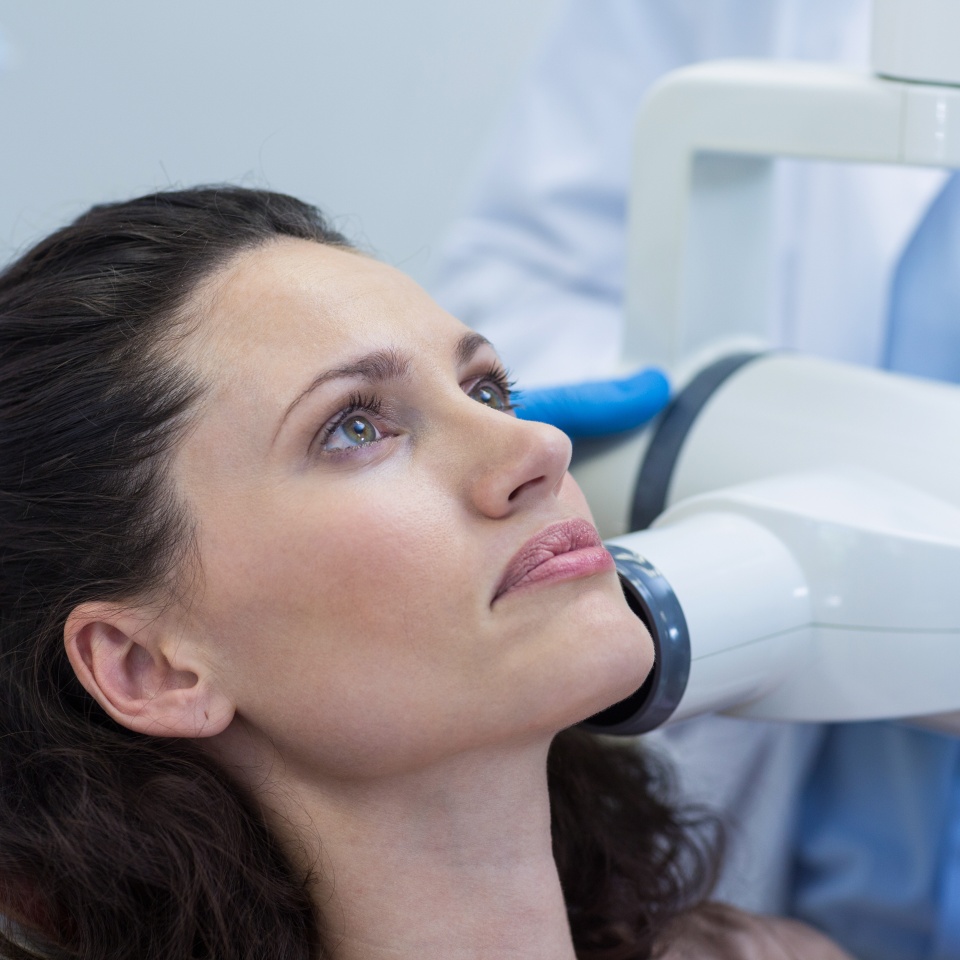
There are a few common signs that wisdom teeth may need attention. These include jaw soreness, swelling near the back teeth, gum irritation, headaches, bad breath, pain while chewing, or repeated infections around the area. Some people notice shifting teeth or crowding over time. Others feel fine and only learn there is an issue during a routine visit. Patients often search for a tooth extractions dentist when the discomfort becomes hard to ignore. A proper exam helps confirm whether wisdom teeth are the source of the problem.

What to Expect During Wisdom Teeth Extraction
Most patients feel relieved once they understand how the procedure works. Before treatment, we review imaging, explain the steps, and answer questions so there are no surprises. The area is numbed thoroughly, and sedation may be available if you feel anxious. During the procedure, our focus is comfort, precision, and protecting surrounding tissue. Afterward, some swelling and soreness are normal for a few days, but recovery is usually manageable with rest and simple aftercare. Many patients say the experience was much easier than they had imagined beforehand.

Why Choose Dunwoody Dental Health
Choosing where to have wisdom teeth removed is about more than the procedure itself. It is about feeling informed, comfortable, and cared for from start to finish. At Dunwoody Dental Health, we take time to explain recommendations clearly and create a treatment plan based on your needs, not a one-size-fits-all process. Whether you are dealing with pain now or planning ahead before symptoms start, we are here to help. Our goal is to make wisdom teeth removal feel straightforward, safe, and far less stressful than most people expect.
Frequently Asked Questions About Wisdom Teeth Removal
No. Some grow in normally and stay healthy. Removal is usually recommended when they are impacted, painful, infected, or affecting nearby teeth.
The area is numbed during treatment, and sedation may be available. Some soreness afterward is normal, but most patients recover comfortably.
Many people have them evaluated in their late teens or early twenties, when roots may be less developed and recovery can be easier.
Most people feel much better within a few days. Full healing can take a few weeks depending on the complexity of removal.
Yes. Pressure, inflammation, and impacted teeth can sometimes lead to jaw soreness, headaches, or discomfort while chewing.