
Bone Grafting
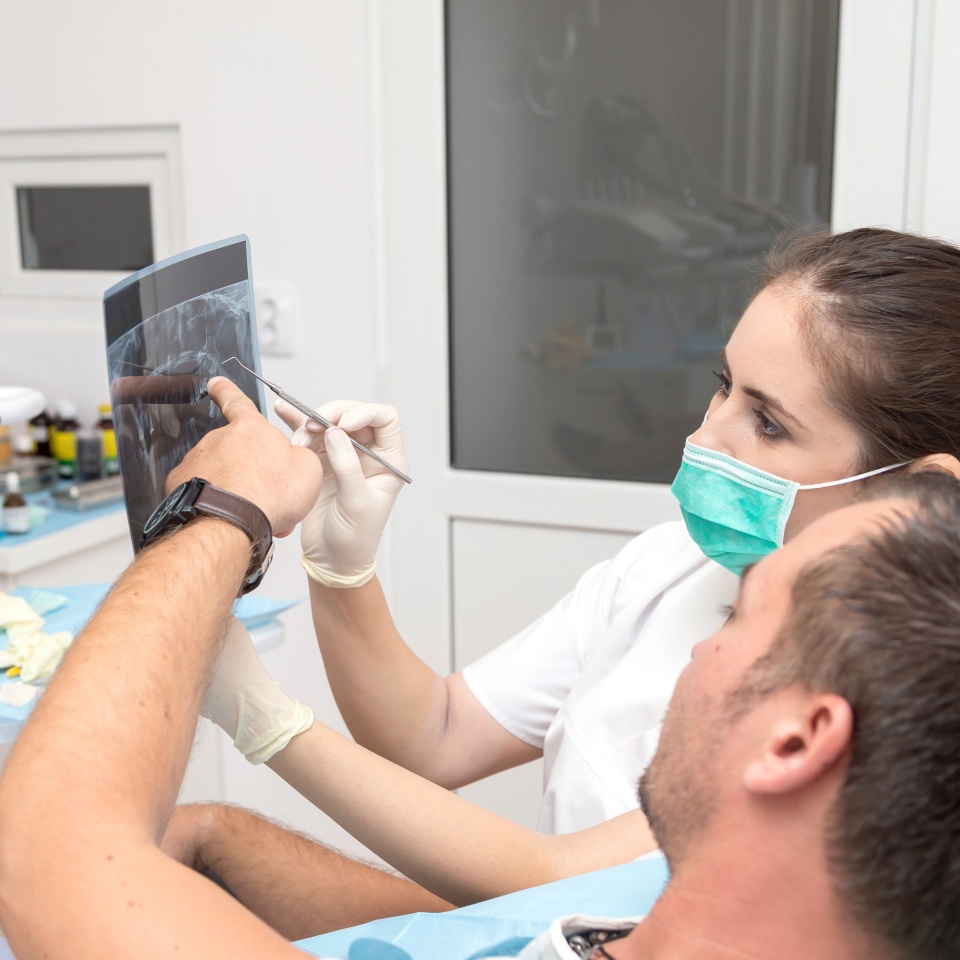
When a tooth is lost, most people focus on the space it leaves behind, but what’s happening underneath matters just as much. Over time, the jawbone in that area can begin to shrink or weaken. It’s not something you always notice right away, but it can affect your ability to restore the tooth later. Bone grafting is a way to rebuild that lost support. At Dunwoody Dental Health, we take a practical, step-by-step approach to help patients understand what’s going on and why this treatment might be needed before moving forward with other procedures. There are certain patients who come in already in excruciating pain and require treatment immediately; these patients commonly turn for Same Day Dentistry Dunwoody.

Surgical Expertise in Bone Regeneration
Bone grafting may sound complex, but the goal is fairly simple, to restore strength where it’s been lost. The procedure involves placing bone material into the area that needs support, allowing your body to gradually rebuild and strengthen it over time. Every case is a little different, so we don’t take a one-size-fits-all approach. We carefully evaluate your situation, explain your options clearly, and move at a pace that feels right for you. Many patients feel more at ease once they understand how controlled and predictable the process actually is.
What Is Bone Grafting
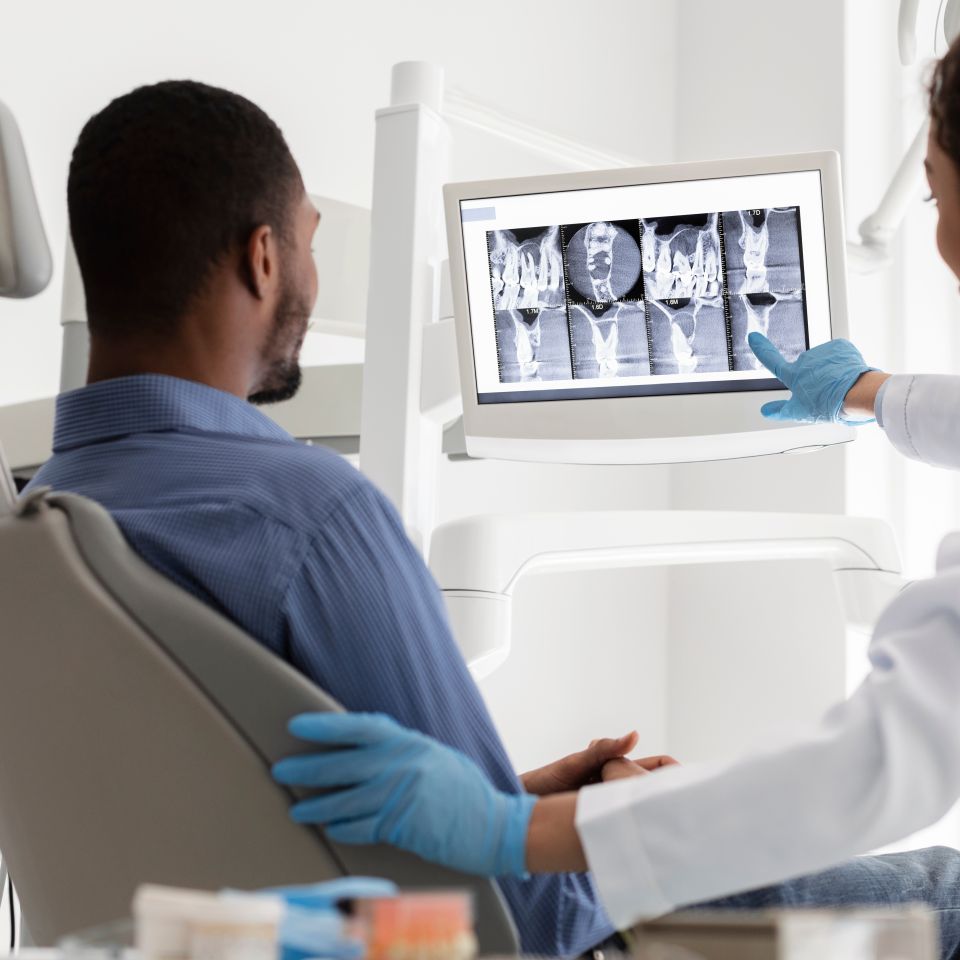
Bone grafting, in the simplest form, indicates a method it is used to replace or build up bone in regions where it has deteriorated. When teeth break down, gum disease develops, or even though an injury occurs, this can occur. A framework for the growth of new bone is given by the material that works in the graft, which works along with your body. As time passes, it eventually becomes a natural component in your bone structure. While it is a time-intensive operation, it helps to maintain the overall shape and stability of your jaw, and it additionally creates a much better foundation for any future dental work that could be performed.

Bone Grafting for Dental Implants
If it is necessary to create the structure for dental implants, bone grafting is one of the most prevalent reasons for the treatment. In order for implants to be solid they need a solid foundation; still, there is not enough bone, they might not be successful. The odds of our long-term success can be enhanced if we begin by rehabilitating the area under repair. Even though some patients require grafting next to an extraction, others do not require it until years later, when they’re ready to receive their implants. Depending on the conditions, the fact that this additional step is taken frequently results in a major impact in the longevity of the end result over time.
Types of Bone Grafts
There are a number of bone transplant options , each of which is right for a specific instance of clinical practice. In order to determine the best fit material, Dr. Patel takes into consideration the extent of bone loss, goals of the treatment, and the specific characteristics of every patient individually.
Autograft: Bone from the patient’s own body, typically from the chin, jaw, or hip, can be used in autograft surgeries when the tissue that is being transferred is biologically corresponding. This allows for a perfect integration. Autografts are a viable therapy option for bigger deviations that require a large volume.
Allograft: The addition of processed human donor bone taken from a tissue bank is an allograft, which provides a solution that is secure as well as efficient, and it does not require a second surgical site. Sterilization procedures and screening methods that are strict ensure the safety of the environment.
Xenograft: Bone which is extracted from animals, usually cows, is processed in such an approach as to dissolve organic materials while keeping the mineral structure in order to stimulate the development of new bone.
Alloplast: Synthetic bone graft materials, that are made up of biocompatible material components like hydroxyapatite or calcium phosphate, guarantee a consistent quality and limitless availability. These materials eliminate the necessity for donor tissue.

What to Expect During Bone Grafting
One of the most common reasons for bone grafting is to prepare for dental implants. Implants need a solid foundation to stay secure, and without enough bone, they may not be successful. By rebuilding the area first, we can improve the chances of long-term success. Some patients need grafting right after an extraction, while others come in years later when they’re ready for implants. In either case, taking this extra step often makes a significant difference in how well the final result holds up over time.
We provide this service at our Marietta and Buford locations.
Frequently Asked Questions About Bone Grafting
Areas of the jaw that have been missing bone can be reinstated via bone grafting. It aids in maintaining jaw structure or creating a solid base for treatments like dental implants.
Grafting is suggested if there isn’t enough bone to support an implant, albeit this isn’t usually the case. It enhances the likelihood of long-term success and enhances stability.
You won’t face any pain because the treatment is done out under anaesthesia. Mild discomfort is common afterwards, although it can typically be controlled with medicine and proper treatment.
Because bone takes time to form and integrate, recovery can take months. Before commencing therapy, your best dentist dunwoody ga will evaluate your progress.
Indeed, you can receive bone grafts from your own body, a donor, or artificial materials. Your health and medical care goal will determine the best option.