

When a tooth has been missing for some time, the jawbone in that area can slowly shrink. This happens naturally after tooth loss because the bone is no longer being stimulated by the tooth root. Over time, the ridge of bone that once supported the tooth may become thinner or lower. Ridge augmentation is a procedure used to rebuild that lost structure. It can improve function, restore support, and create a better foundation for future dental treatment. At Dunwoody Dental Health, we help patients understand whether ridge augmentation is the right next step based on their goals and oral health needs.
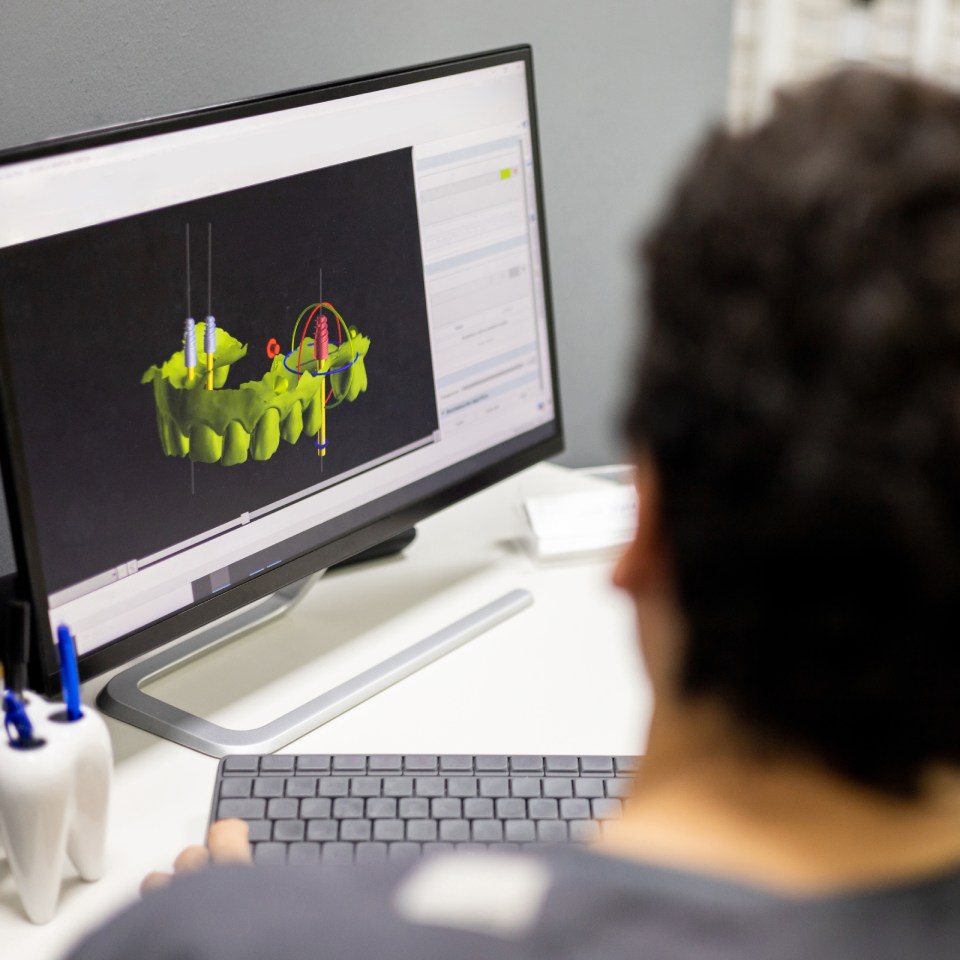
Reconstructive Expertise for Complex Cases
Some cases are straightforward, while others require a more careful reconstructive approach. If bone loss has been significant, replacing a tooth or restoring the area may not be as simple as placing an implant right away. That is where ridge augmentation can make a real difference. By rebuilding the jawbone first, we can often create better conditions for long-term treatment success. We evaluate each case individually using imaging and a full exam, then explain your options in plain language. Patients often feel more confident once they understand the reason behind each recommended step.

Understanding Ridge Augmentation
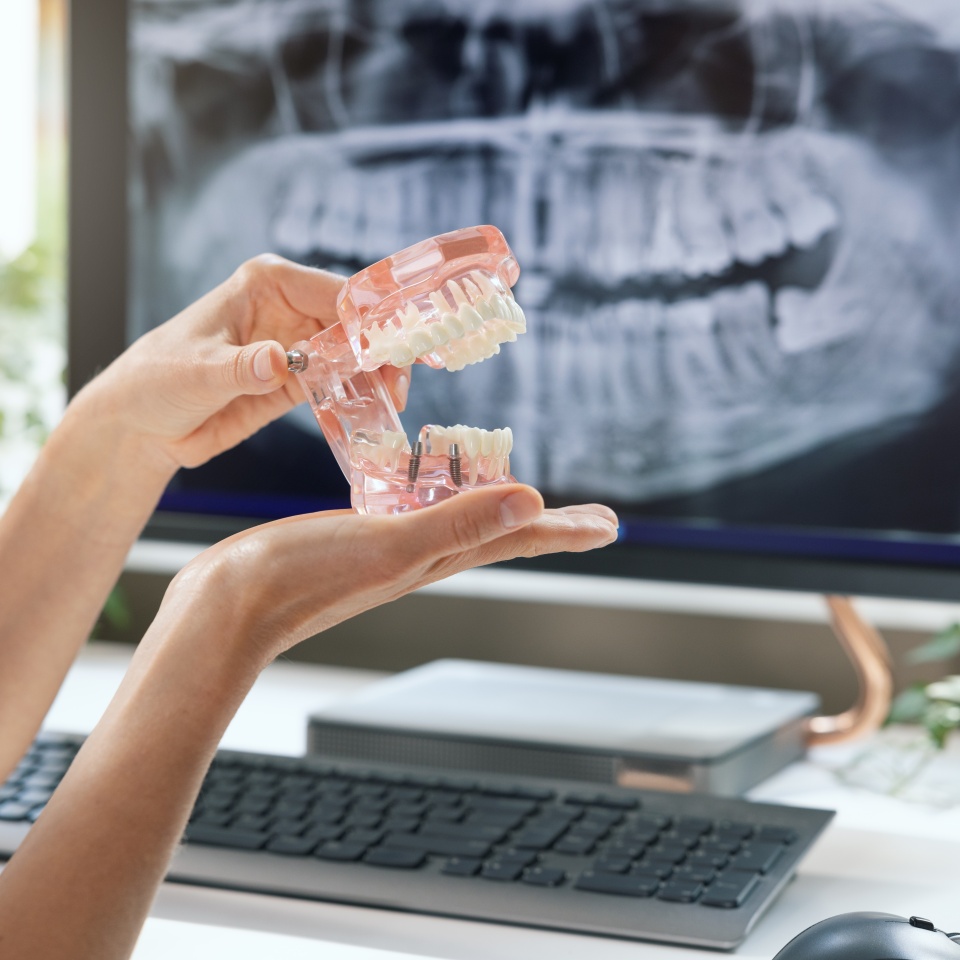
The “ridge” is the part of the jawbone that surrounds and supports your teeth. After a tooth is removed or lost, that ridge can begin to change shape. Ridge augmentation uses grafting material to rebuild areas where bone has been lost. Over time, your body integrates the material and creates stronger support in that location. It is often done before placing a dental implant, but it can also help restore natural contours after bone loss. Many patients are unfamiliar with the term at first, yet the purpose is simple, rebuild what has been lost so healthier treatment can happen later.
When Ridge Augmentation Is Needed
This procedure is commonly recommended when the jaw has become too narrow, uneven, or weak after tooth loss. It may also be helpful after trauma, infection, or extractions that affected the surrounding bone. Without enough support, future restorations may not fit properly or look as natural as they should. In some cases, ridge augmentation is advised specifically to prepare for dental implants. In others, it is recommended to improve gum contours and protect nearby teeth. Every situation is different, which is why timing and treatment planning matter just as much as the procedure itself.
Ridge Augmentation and Smile Aesthetics
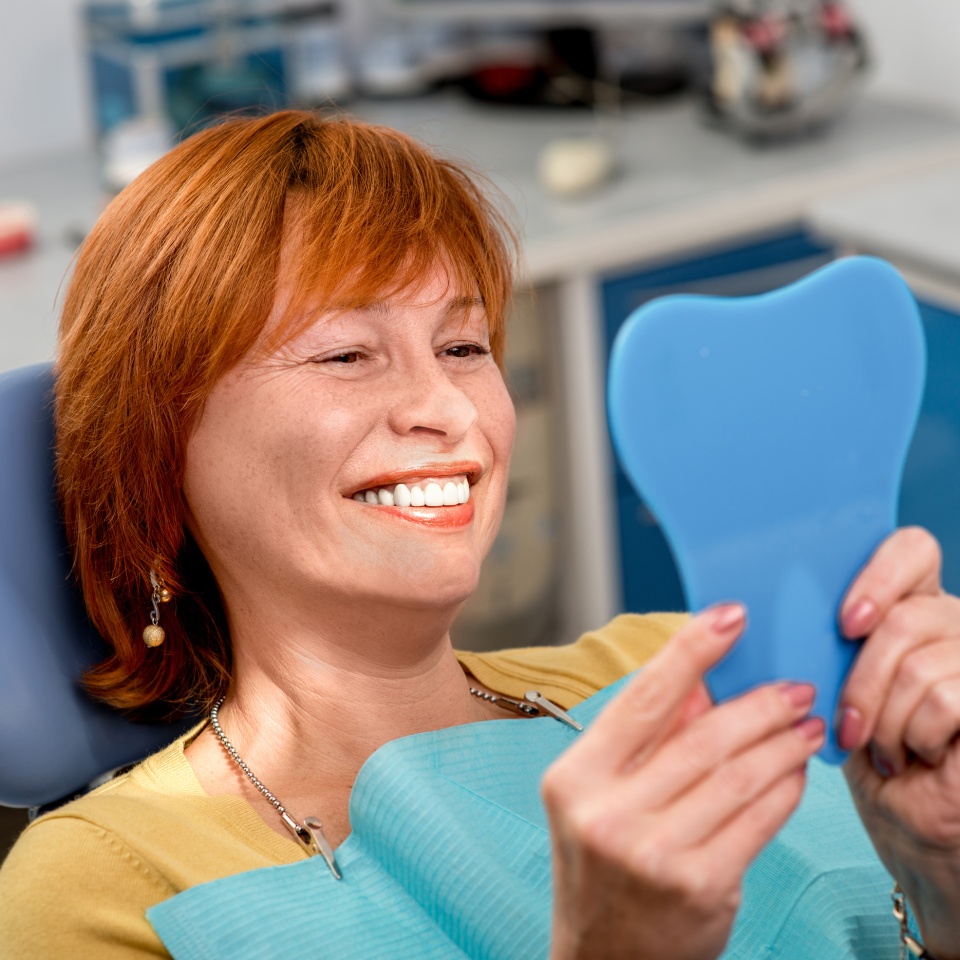
Bone loss does not only affect strength, it can also change appearance. When the ridge shrinks, the gums and facial support in that area can look uneven or sunken. This may become more noticeable when smiling or speaking. Ridge augmentation can help restore a smoother, fuller contour, especially when followed by an implant or bridge. The result is often a smile that looks more balanced and natural. Patients are sometimes surprised to learn that rebuilding bone beneath the surface can make such a visible difference. Good aesthetics usually begin with a healthy foundation underneath.

Moving Forward with Confidence
Ridge augmentation may sound like an extra step, but it often makes future treatment more predictable and successful. Rebuilding the foundation first can improve stability, appearance, and long-term results. At Dunwoody Dental Health, we believe patients should understand not just what we recommend, but why it matters. Whether you are considering implants or simply want to restore an area after tooth loss, we are here to guide you through the process clearly and comfortably. In many cases, the right preparation now helps avoid bigger challenges later.
If you are looking for this service at our Marietta and Buford locations, we’re here to help.
Frequently Asked Questions About Ridge Augmentation
Ridge augmentation is a procedure that rebuilds areas of jawbone lost after tooth removal or bone shrinkage, helping create better support for future treatment.
You may need it if bone loss has made the jaw too thin or uneven for implants, bridges, or a natural-looking restoration.
The area is numbed during treatment, and sedation may be available. Some soreness afterward is normal, but most patients recover comfortably.
Healing varies, but many cases take several months for the bone to integrate fully before implants or additional treatment can begin.
Yes. Rebuilding lost bone can improve gum contours and facial support, often helping the smile look more natural and balanced.