
If you’ve ever tried whitening your teeth and instantly regretted it. you’re definitely not the only one.
A lot of people in Dunwoody ask the same thing:
“Is there a way to whiten my teeth without that sharp, uncomfortable sensitivity?”
Because let’s be real, a brighter smile sounds great, but not if it comes with that sudden zing when you sip cold water or breathe in cool air.
So if you’re searching for the best teeth whitening for sensitive Dunwoody, this isn’t about chasing the fastest results. It’s about finding something that actually works without making your teeth miserable afterward.
And yes, that balance is possible.
Why Some Individuals Experience Pain While Others Don’t
This part confuses a lot of people.
You might know someone who used whitening strips and had zero issues… while you tried the same thing and couldn’t finish the treatment.
That usually comes down to how your teeth are built and what condition they’re in right now.
If your enamel is slightly thinner, or your gums have pulled back a bit over time, your teeth are just more reactive. Nothing “wrong” with you, just more sensitive to certain things.
Whitening products, especially stronger ones, go deeper into the tooth to lift stains. That’s what creates results… but it’s also what can trigger discomfort.

The Mistake Most People Make First
Most people don’t ask the appropriate question at the beginning.
They ask:
“What’s the strongest whitening product?”
But the better question is:
“What’s the safest option for my teeth?”
Because stronger doesn’t always mean better, especially if you end up stopping halfway through because it hurts.
What Actually Works for Sensitive Teeth
Let’s keep this simple and practical.
1. Professional Whitening (Best for Peace of Mind)
If you’re nervous about pain, this is usually the easiest route.
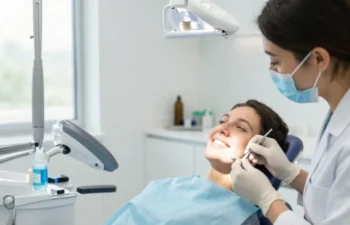
A dentist doesn’t just apply whitening and hope for the best. They adjust the strength, protect your gums, and watch how your teeth respond during the process.
A lot of patients go in expecting discomfort… and end up saying,
“Wait, that was it?”
It’s not completely sensation-free for everyone, but it’s controlled, and that’s the difference.
2. Custom Trays (More Comfortable Than Store Kits)
These are underrated.
They look similar to at-home kits, but the fit is completely different. Because they’re made for your teeth, the gel doesn’t spread everywhere or irritate your gums.
Also, the whitening solution is usually milder. You’re not trying to shock your teeth into getting white overnight, you’re easing into it.
And honestly, for sensitive teeth, that’s a better strategy.
3. Slower Methods (If You’re Playing It Safe)
Not everyone wants to jump straight in.
Some people prefer to start slow:
- Whitening toothpaste for sensitive teeth
- Low-strength gels
- Occasional treatments instead of daily use
It takes longer to see results, but what counts more is that you remain comfortable.
Things That Make Sensitivity Worse (Without You Realizing)
This is where people accidentally cause problems.
Not because they’re careless, just because no one really explains this part.
- Using whitening strips too often
- Leaving products on longer than instructed
- Mixing different whitening products together
- Trying DIY methods from the internet
Especially things like lemon juice or baking soda, those can wear down enamel over time. Once that happens, sensitivity doesn’t just go away.
Small Adjustments That Help a Lot
You don’t need to overhaul your routine.
Just a few small changes can make whitening much easier:
- Start using a sensitivity toothpaste about a week before whitening
- Don’t rush into high-strength products
- Give your teeth a break between sessions
- Avoid ice-cold drinks right after treatment
It’s not complicated, just more intentional.
When It Might Not Be “Just Sensitivity”
Here’s something worth paying attention to.
If your teeth are already sensitive before whitening, there might be something else going on.
It could be:
- A small cavity that hasn’t been treated yet
- Gum recession exposing more of the tooth
- A minor crack that you can’t see
In those cases, whitening won’t fix the problem, it just makes the symptoms more noticeable.
That’s where looking into Tooth Pain Relief Dunwoody options first can save you from a bigger issue later.
Why a Quick Dental Check Helps More Than You Think
A lot of people skip this step because they think whitening is just cosmetic.
But even a quick check can tell you:
- If your teeth are ready for whitening
- If something needs attention first
- What method will be most effective for you?
And if something does need fixing, many clinics offer Same Day Dentistry Dunwoody, so you don’t have to wait around for weeks.
If the discomfort feels more urgent, emergency dental care Dunwoody services can step in quickly and get things sorted before you even think about whitening.
What Most People Notice After Doing It the Right Way
When whitening is done properly, the experience is very different.
Instead of:
“I need to push through this”
It feels more like:
“That was easier than I expected”
And that’s really the goal.
Not just a whiter smile, but a process that doesn’t make you regret starting it.
FAQs
Can sensitive teeth actually be whitened safely?
Yes, they can. The key is choosing gentler methods or doing it under professional supervision. Strong, over-the-counter products are usually what cause problems for sensitive teeth.
What’s the least painful whitening option?
Professional treatments or custom trays tend to be the most comfortable. They’re controlled and adjusted based on how your teeth respond, which helps reduce sensitivity.
How long does sensitivity last after whitening?
If it happens, it usually fades within a day or two. Most people manage it easily by avoiding cold foods and using sensitivity toothpaste.
Should I whiten if my teeth already hurt?
It’s better not to. If there’s existing pain, it’s important to find the cause first. Whitening on top of that can make things worse.
Are store-bought whitening strips safe?
They can be, but not always ideal for sensitive teeth. If used too often or incorrectly, they can increase discomfort instead of helping.
Conclusion
At the end of the day, whitening your teeth shouldn’t feel like something you have to tolerate. If it hurts, it’s usually a sign that the method isn’t right for you, or the timing isn’t. The best approach is the one that works with your teeth, not against them. At Dunwoody Dental Health, the focus is on keeping things simple and comfortable, especially for people who’ve avoided whitening because of sensitivity.
Posted on behalf of
2390 Mount Vernon Rd
Dunwoody, GA 30338
Phone: Call (404) 343-2855
Email: staff@c364366b1d.nxcli.io